
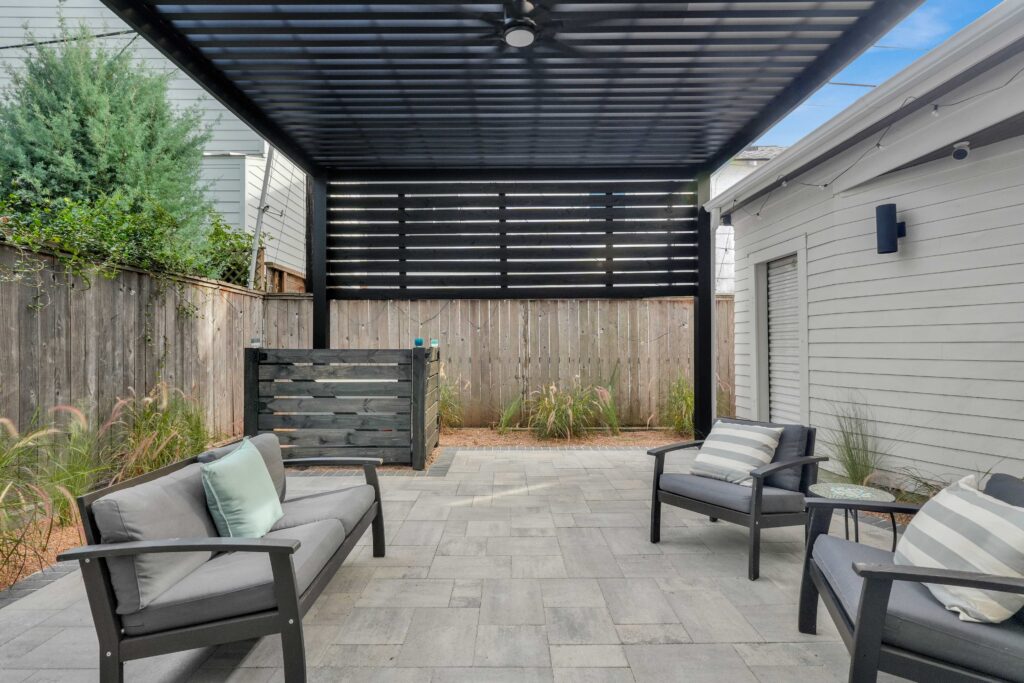
Choosing the right pergola material can significantly impact how much time, money, and effort you invest in long term upkeep. Homeowners often find themselves deciding between two popular options, wood and aluminum, each offering distinct advantages and maintenance requirements. If you are comparing a wood vs aluminum pergola, understanding how each material performs over time is essential before making a decision. This guide breaks down maintenance, durability, costs, and real world considerations to help you choose the pergola that best fits your lifestyle.
Understanding Pergola Materials
Pergolas serve both aesthetic and functional purposes by defining outdoor spaces, providing shade, and enhancing property value. The material you choose affects not only appearance but also how well the structure holds up against weather, pests, and daily wear.
What Is a Wood Pergola?
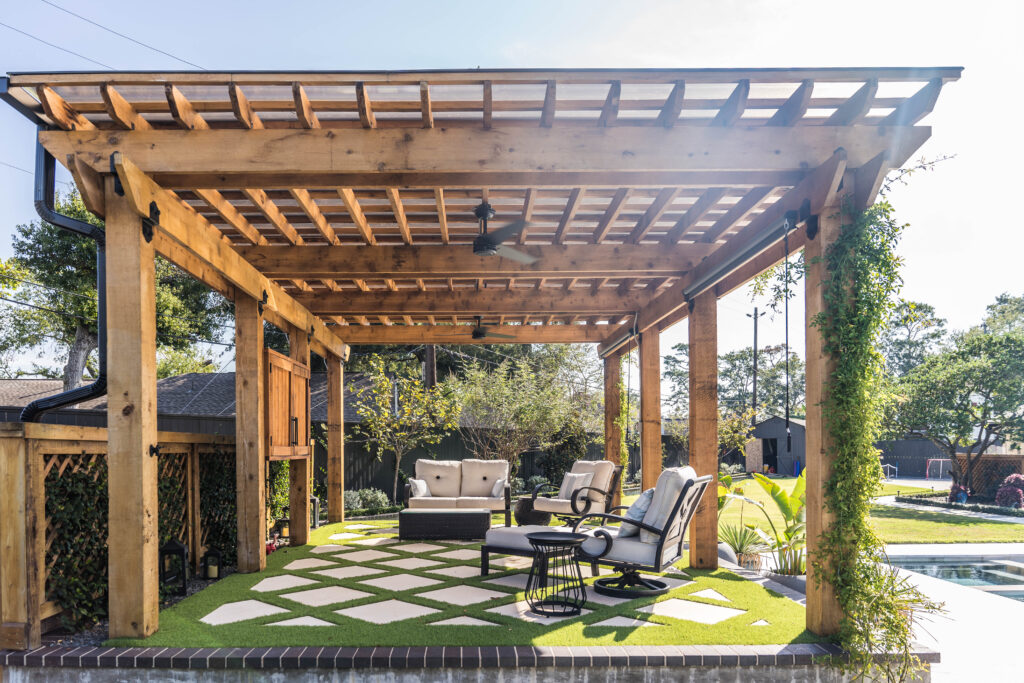
Wood pergolas are typically built from cedar, redwood, or pressure treated pine. These materials are favored for their natural beauty and traditional appeal.
Common wood pergola characteristics include:
- Warm, organic appearance
- Custom design flexibility
- Compatibility with climbing plants
- Ability to be stained or painted in various finishes
What Is an Aluminum Pergola?
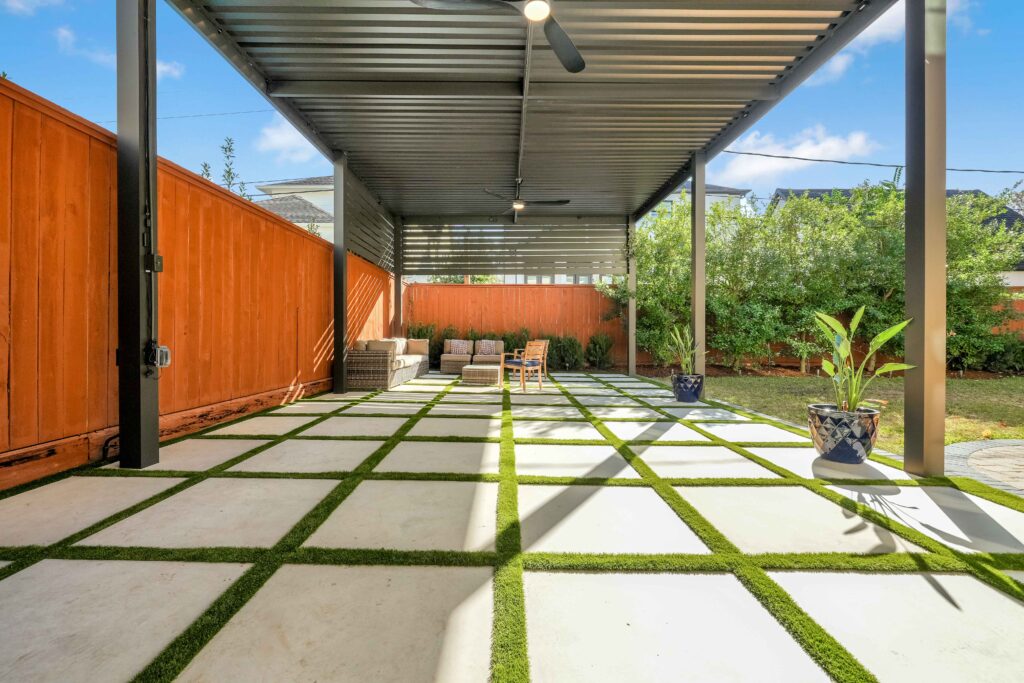
Aluminum pergolas are manufactured from powder coated aluminum components designed for durability and low maintenance. They are increasingly popular in modern landscapes.
Typical aluminum pergola features include:
- Sleek and contemporary look
- Rust resistant construction
- Lightweight but structurally strong
- Factory finished surfaces
Read also: What is the Function of a Pergola and Why Homeowners Love It
Maintenance Comparison: Wood vs Aluminum Pergola
Maintenance is one of the most important factors homeowners consider when choosing between pergola materials.
Wood Pergola Maintenance Requirements
Wood is a living material that responds to environmental conditions. While visually appealing, it requires regular care to maintain its integrity.
Key maintenance tasks include:
- Staining or sealing every 2 to 3 years to protect against moisture
- Inspecting for rot, warping, or cracking
- Treating for termites and wood boring insects
- Cleaning mildew or algae buildup in shaded areas
According to the Forest Products Laboratory, untreated wood exposed to moisture can begin deteriorating within a few years, especially in humid or rainy climates. Even treated wood benefits from consistent protective coatings to extend its lifespan.
Aluminum Pergola Maintenance Requirements
Aluminum pergolas are designed to minimize ongoing upkeep. They are not affected by insects, moisture, or rot.
Maintenance typically involves:
- Occasional rinsing with water to remove dirt
- Mild soap cleaning for stubborn residue
- Checking fasteners annually for stability
The American Institute of Architects notes that aluminum building components can last decades with minimal degradation, particularly when powder coated to resist corrosion and UV exposure.
Durability and Weather Resistance
How Wood Handles the Elements
Wood pergolas perform well in moderate climates but can struggle in extreme conditions. Prolonged sun exposure can cause fading and drying, while moisture can lead to swelling or decay.
Climate related considerations:
- Hot sun can dry out wood fibers
- Heavy rain increases rot risk
- Snow loads require proper structural design
- Coastal air accelerates wear without frequent sealing
How Aluminum Performs Outdoors
Aluminum excels in harsh environments. It does not absorb moisture and is unaffected by freeze thaw cycles.
Weather performance advantages:
- No rust or corrosion
- Stable in high heat and freezing temperatures
- Excellent choice for coastal and high humidity areas
- Maintains structural integrity year round
Long Term Cost Considerations
Initial Cost vs Lifetime Cost
Wood pergolas often have a lower upfront cost, especially when using pressure treated lumber. However, ongoing maintenance expenses can add up over time.
Wood cost factors:
- Regular staining or sealing materials
- Labor costs if maintenance is outsourced
- Possible board replacement due to rot or damage
Aluminum pergolas usually cost more initially but require far fewer maintenance related expenses.
Aluminum cost advantages:
- No staining or painting
- Minimal repair needs
- Long service life often exceeding 25 years
According to HomeAdvisor cost data, routine wood pergola maintenance can add several thousand dollars over a 15 to 20 year period, while aluminum maintenance costs remain minimal.
Aesthetic and Design Flexibility
Visual Appeal of Wood Pergolas
Wood offers unmatched natural beauty and character. Grain patterns and warm tones blend seamlessly into traditional landscapes and gardens.
Design benefits include:
- Rustic or classic appearance
- Custom sizing and shapes
- Easy modification or expansion
- Natural support for vines and plants
Modern Appeal of Aluminum Pergolas
Aluminum pergolas provide clean lines and modern styling. Many systems offer adjustable louvers, integrated lighting, and motorized features.
Design advantages include:
- Contemporary architectural look
- Consistent color finish
- Compatibility with smart outdoor features
- Precise engineered components
Environmental Impact and Sustainability
Wood Sustainability Factors
Wood can be an environmentally friendly option when sourced responsibly.
Sustainability considerations:
- Renewable resource
- FSC certified lumber reduces environmental impact
- Requires chemical treatments and finishes over time
Aluminum Sustainability Factors
Aluminum is one of the most recyclable construction materials available.
Environmental benefits:
- Nearly 75 percent of all aluminum ever produced is still in use today, according to the Aluminum Association
- Fully recyclable without quality loss
- Longer lifespan reduces replacement waste
Which Pergola Is Easier to Maintain?
When comparing a wood vs aluminum pergola strictly from a maintenance standpoint, aluminum is the clear winner.
Aluminum pergolas are easier to maintain because they:
- Do not require staining, sealing, or painting
- Resist insects and moisture damage
- Hold their appearance with minimal cleaning
- Perform consistently in all climates
Wood pergolas demand more hands-on care but reward homeowners with classic beauty and natural charm. For those who enjoy routine upkeep and customization, wood remains a solid choice.
Who Should Choose Wood vs Aluminum?
Choose a Wood Pergola If You:
- Prefer a natural, traditional look
- Enjoy DIY maintenance projects
- Want custom craftsmanship
- Live in a mild climate
Choose an Aluminum Pergola If You:
- Want the lowest maintenance option
- Prefer modern design aesthetics
- Live in a humid, coastal, or extreme climate
- Value long term durability and consistency
Read also: Low Maintenance Patio Cover for Busy Homeowners
A Smart Choice for Your Outdoor Space
Choosing the right pergola is about balancing style, performance, and long-term value. Wood pergolas offer timeless charm and natural warmth, making them ideal for traditional homes, garden settings, and rustic landscapes. Their organic beauty creates an inviting atmosphere, but they do require regular maintenance such as staining or sealing to protect against sun exposure, moisture, and natural wear over time.Aluminum pergolas provide a sleek, contemporary look designed for durability and low maintenance.
Built to resist harsh weather, pests, and fading, aluminum structures maintain their appearance year after year and pair especially well with modern architecture. When deciding between a wood vs. aluminum pergola, consider your climate, design preferences, maintenance expectations, and budget. For expert design insight and professional installation, Contact Texan Landscape Group to create a pergola solution that enhances your outdoor lifestyle with lasting beauty and performanc