
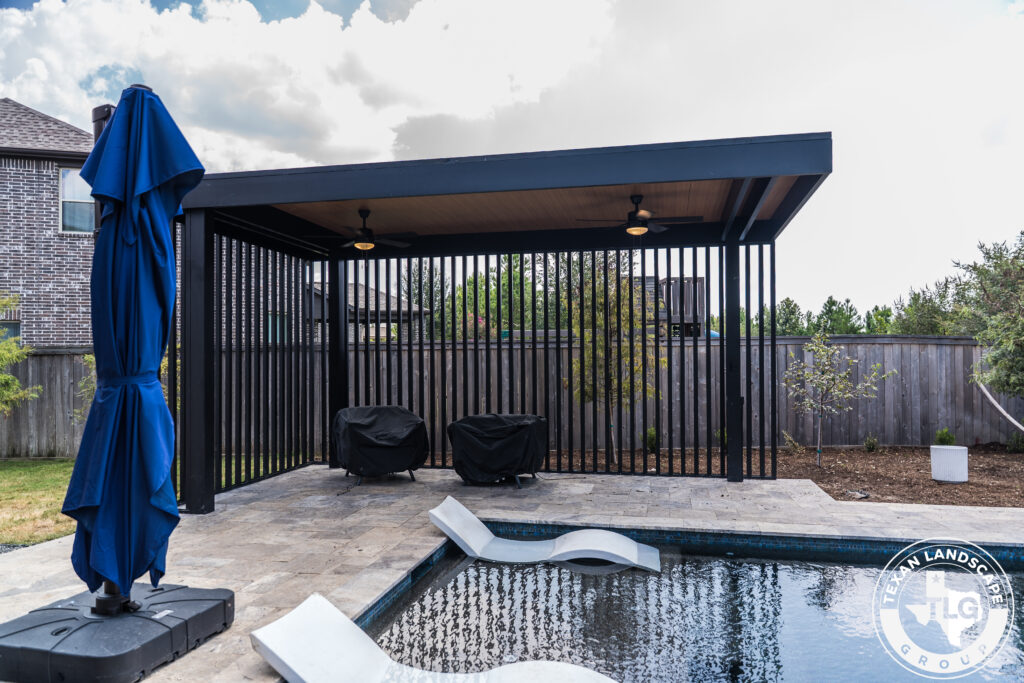
Choosing the right pergola style can transform your outdoor space into a beautiful sanctuary for relaxation and entertaining. A cantilever pergola offers a modern twist on shade structure design while traditional pergolas provide classic charm and simplicity. Understanding the differences between these two options can help you make the best decision for your property, lifestyle, and long-term enjoyment. In this guide we explore key features, benefits, costs, installation considerations, and design impacts to help you choose the pergola that aligns with your needs.
Whether you are building a new outdoor living area or upgrading an existing one, this comparison will clarify what each pergola type offers and which one might be the right choice for your outdoor environment.
What Is a Cantilever Pergola?
A cantilever pergola is a freestanding or attached pergola with support posts located on one side only, creating an overhang that extends outward without vertical posts in the center of the covered area. This design uses engineered beams and counterweights or anchored bases to support the extended structure.
Cantilever pergolas are known for their:
- Spacious shaded area without obstruction
- Bold architectural presence
- Flexible installation layout
These pergolas often use aluminum or steel frames for strength and clean lines. Many modern outdoor spaces leverage cantilever structures for unobstructed coverage over seating areas, outdoor kitchens, or pools.
What Is a Traditional Pergola?
Traditional pergolas have a familiar design with evenly spaced vertical posts supporting overhead beams and rafters. These posts define the footprint and create structured shade through angled or spaced slats above.
Traditional pergolas are often built from materials like wood, cedar, or even steel depending on the desired aesthetics. Their classic form fits well with gardens, patios, and landscaped seating areas.
Key features include:
- Symmetrical post layout
- Defined structural rhythm
- Options for climbing plants and integrated features
Because of their enduring style, traditional pergolas remain a popular choice in both residential and commercial landscapes.
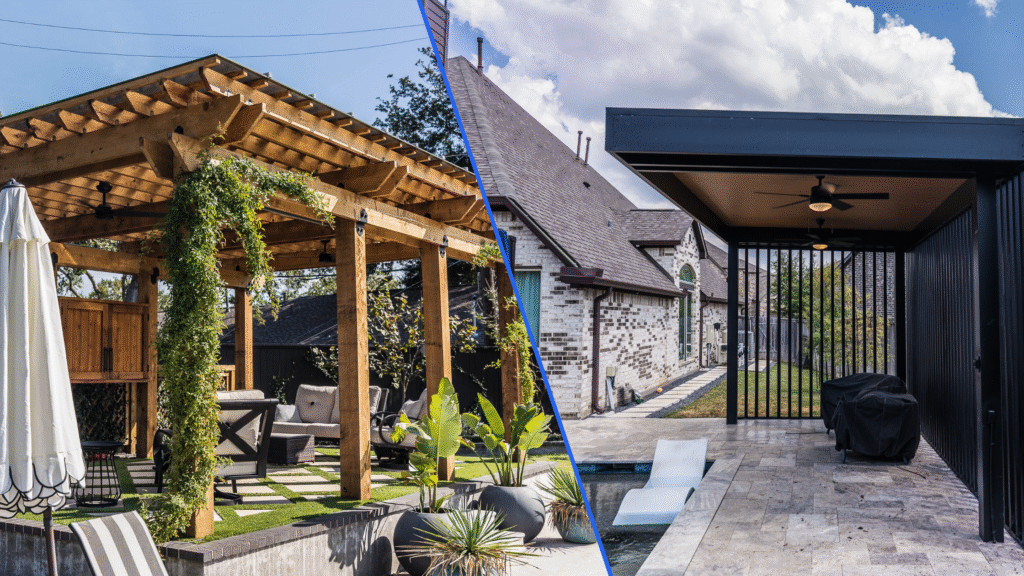
Comparing Cantilever Pergola and Traditional Pergola
To decide which pergola type suits you, consider key factors such as design, functionality, maintenance, cost, and usability.
Design and Aesthetic Appeal
Cantilever Pergola:
Cantilever pergolas deliver a contemporary look with minimal visual obstruction. Because they eliminate center posts, the design feels open and expansive. Their modern aesthetic works particularly well with sleek architecture, poolside lounges, and minimalist landscaping.
Visual benefits include:
- Unbroken sightlines
- Floating canopy effect
- Modern architectural statement
Traditional Pergola:
Traditional pergolas offer charm and familiarity. Their post and beam configuration creates rhythm and visual stability in outdoor spaces. This style complements more classic or cottage-inspired homes and gardens.
Visual benefits include:
- Warm and inviting profile
- Easily integrates with climbing plants
- Works with a variety of materials and finishes
Shaded Space and Usability
Cantilever Pergola:
The biggest advantage of a cantilever pergola is unobstructed shaded space. Without center posts, furniture layouts are more flexible and usable space increases. This makes cantilever options ideal for:
- Dining areas
- Outdoor lounges
- Poolside seating
- Large gatherings
Traditional Pergola:
While traditional pergolas have posts that may limit furniture placement, they still provide functional shade and structure. Their layout works well for outdoor pathways, garden seating, or smaller patios where post placement does not interfere with mobility or seating.
Installation and Structural Considerations
Cantilever Pergola:
Cantilever designs require careful engineering because they depend on counterbalancing forces and strong anchor points. Installation may involve:
- Larger foundation pads
- Structural engineering input
- Precise leveling and alignment
Because of these requirements, installation costs can be higher and may involve specialized labor. However, the trade-off is an open space that feels larger and more dynamic.
Traditional Pergola:
Traditional pergolas are generally easier to install. The vertical posts create straightforward anchor points that can be set into concrete footings or attached to a deck. Many homeowners install traditional pergolas as DIY projects because the structural requirements are simpler.
Materials and Maintenance
Both cantilever and traditional pergolas can be built from a variety of materials. Common choices include wood, aluminum, steel, and composite materials.
Material Comparisons:
- Wood: Offers natural warmth but requires regular sealing or staining to resist rot, insects, and UV damage.
- Aluminum: Provides a modern finish, is highly durable, resists corrosion, and needs minimal maintenance.
- Steel: Strong and long lasting but may require protective coatings to prevent rust in certain climates.
- Composite: Blends durability and aesthetic variety while minimizing routine upkeep.
When choosing materials, consider how much maintenance you want to perform and how the pergola finish will age over time.
Cost Differences
Cost can vary greatly depending on size, materials, and complexity.
Cantilever Pergola Costs:
- Typically higher upfront cost due to design complexity
- Might require professional engineering and installation
- Material costs can be higher if strength is critical
Traditional Pergola Costs:
- Often lower installation cost
- Easier DIY options reduce labor expenses
- Material choice still significantly affects price
In general, cantilever pergolas carry a premium because of the structural demands involved.
Read also: Aluminum vs Cedar Pergolas: Which Material Adds More Value to Your Home?
Practical Scenarios: Which Pergola Should You Choose?
Choose a Cantilever Pergola If You Want:
- A modern design with minimalist lines
- Maximum unobstructed space for furniture or activity
- A pergola that integrates seamlessly with contemporary architecture
- Flexible use of the shaded area for entertaining, dining, or poolside lounging
Cantilever pergolas are ideal for homeowners who prioritize open space and bold style in their outdoor living areas.
Choose a Traditional Pergola If You Want:
- Classic style that complements traditional architecture
- An easier installation process
- A structure that integrates climbing plants or garden features
- A versatile outdoor space with rustic or timeless appeal
Traditional pergolas are often more budget friendly and adaptable to different outdoor settings.
Pergola Features to Enhance Functionality
Regardless of which pergola type you choose, there are features that can elevate its usefulness and value.
Shade and Weather Control Options
- Adjustable louvers: Allow precise control of sunlight and airflow
- Retractable canopy fabrics: Provide shade when needed and retract for open sky
- Polycarbonate roofing panels: Offer rain protection while letting light through
Integrated Lighting and Accessories
- LED or string lighting for ambiance
- Ceiling fans for airflow
- Outdoor curtains for privacy or glare control
Adding these features can increase usability, comfort, and overall outdoor enjoyment.
Landscaping Integration
- Use planters or climbing vines with traditional pergolas to soften lines and add greenery
- Integrate hardscape elements like pavers or deck platforms to unify the space visually
Thoughtful integration enhances both beauty and functionality.
Pergola Value and Home Appeal
Outdoor structures like pergolas can enhance property appeal when they extend usable living space and reflect thoughtful design. According to home improvement experts, outdoor living enhancements often deliver strong homeowner satisfaction and can contribute to perceived value when entertaining or relaxing space feels intentional and well integrated.
Both cantilever and traditional pergolas add value, but the type that resonates most with potential buyers may depend on your local real estate market and architectural trends.
Read also: Patio Cover Ideas That Increase Property Value
Finding the Right Fit for Your Outdoor Space
Choosing between a cantilever pergola and a traditional pergola depends on how you want your outdoor space to function, look, and feel over time. Cantilever pergolas create a bold, modern statement with open, unobstructed layouts that work especially well for contemporary designs and flexible seating or entertaining areas. Traditional pergolas offer timeless appeal, straightforward installation, and seamless integration with established landscaping and classic architectural styles, delivering a familiar and balanced outdoor structure.
Whether you’re drawn to the striking architectural presence of a cantilever pergola or the classic charm and versatility of a traditional design, both options can enhance outdoor living and add long-term value to your property. The right choice comes from aligning aesthetics, maintenance expectations, and budget with how you plan to use the space—Contact Texan Landscape Group for personalized design insight and professional installation that delivers a pergola solution tailored to your home and lifestyle.