
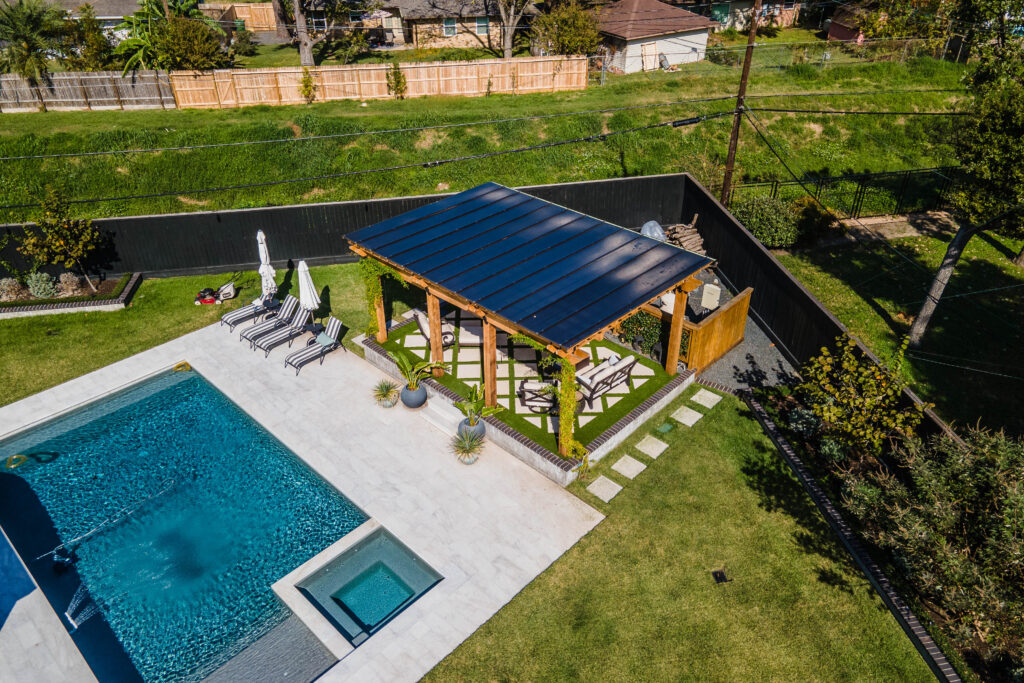
Choosing the right pergola material is about more than looks. When you invest in an outdoor structure, you want it to improve your living space, perform well over time, and ideally increase your home value. In the landscape and hardscape world both professional designers and homeowners often compare a cedar pergola vs aluminum option. Each material has advantages and trade-offs that affect longevity, curb appeal, maintenance, and return on investment. This article explores those differences so you can make a confident choice.
Whether you dream of a classic backyard retreat or a sleek modern patio canopy, understanding how these pergola materials contribute to your property’s value is essential.
What Pergolas Add Value to a Home?
Pergolas define outdoor spaces and influence how people use them. Real estate and landscaping studies have shown that well-designed outdoor living areas can increase property value and appeal to buyers. Some of the key ways pergolas add value include:
- Enhancing curb appeal and overall landscape design
- Creating functional shade and outdoor living space
- Offering design continuity with the home style
- Increasing perceived usable square footage
- Supporting plants and outdoor features like lighting or fans
A high-quality pergola can be both a visual focal point and a practical extension of interior living areas.
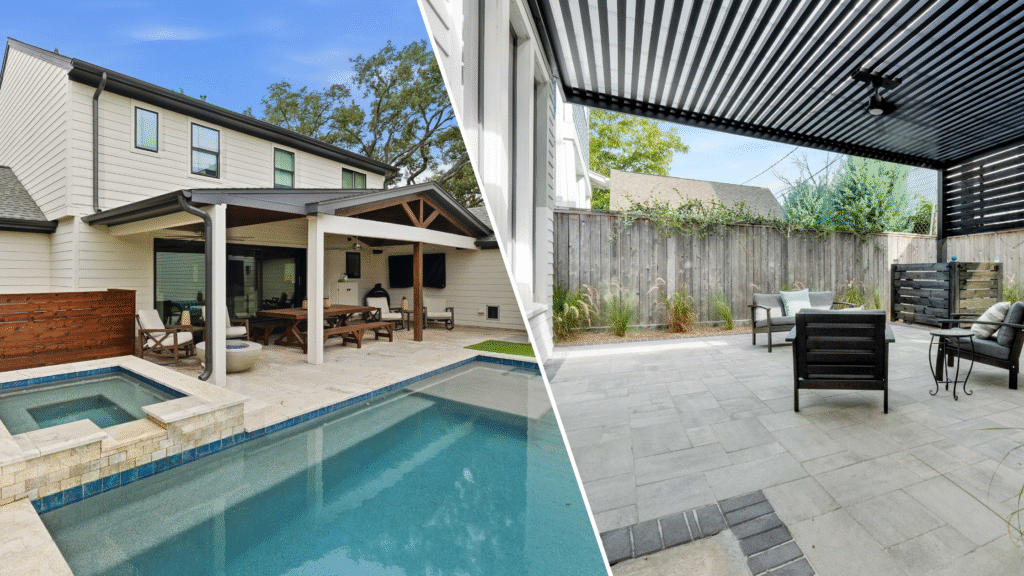
Cedar Pergola vs Aluminum: Material Overview
Before comparing value impact, it helps to understand the strengths and characteristics of cedar and aluminum pergolas.
What Is a Cedar Pergola?
Cedar pergolas are built from cedar wood, a natural outdoor building material prized for its grain, color, and moderate resistance to decay. Cedar has been used in exterior structures for decades because it balances beauty with structural durability.
Key characteristics of cedar pergolas:
- Natural wood appearance with warm tones
- Works well with stains or paints
- Supports vines and landscaping features
- Moderate resistance to rot and insects
- Biodegradable at end of life
What Is an Aluminum Pergola?
Aluminum pergolas are constructed from engineered aluminum components that are typically powder coated for finish durability. This option has become popular in modern landscape designs for its clean lines and predictable performance.
Key characteristics of aluminum pergolas:
- Rust and rot resistant
- Lightweight yet strong
- Factory finished surfaces
- Often modular for easier installation
- Compatible with modern add-ons (lighting, louvers)
Read also: Wood or Aluminum Pergola: Which One Is Easier to Maintain?
Aesthetic Appeal and Style
Cedar Pergola Aesthetics
Cedar pergolas deliver timeless beauty. The natural wood grain and warm hues fit seamlessly into traditional, rustic, Mediterranean, and cottage-style homes. These structures pair well with climbing vines, string lights, and natural landscaping.
A 2023 survey of residential contractors found that many homeowners select wood primarily for its classic appearance and design flexibility. The ability to stain or customize wood enhances curb appeal in ways that paint or finishes often cannot replicate.
Aluminum Pergola Aesthetics
Aluminum pergolas appeal to homeowners who prefer contemporary and minimalist designs. Their smooth surfaces and crisp angles match well with modern architecture. Because aluminum can be finished in many colors, you can achieve visual harmony with exterior trim, windows, and patio features.
While some buyers may prefer the warmth of wood, others value the consistent and engineered look of aluminum.
Durability and Longevity
The long-term condition of your pergola affects both its utility and its contribution to home value.
Cedar Durability
Cedar contains natural oils that provide resistance to rot and some pest damage. However, it is still a natural material that can degrade without proper care. Moisture, sun exposure, and insects can cause warping, cracking, or discoloration over time.
To enhance cedar’s longevity:
- Apply sealants or stains every few years
- Inspect for signs of wear
- Repair or replace damaged boards promptly
With proper maintenance cedar pergolas can last 15 to 25 years or longer.
Aluminum Durability
Aluminum is inherently resistant to rust, rot, and insect damage. A powder coated aluminum pergola can withstand exposure to moisture and sunlight without cracking, peeling, or splitting.
Because of these qualities, aluminum pergolas often last 20 to 30 years or more with minimal maintenance. Their predictable performance is a key factor in long-term value contribution.
Maintenance Requirements
Maintenance affects both homeowner satisfaction and long-term property condition. Lower maintenance structures often deliver higher perceived and real value.
Cedar Pergola Maintenance
Cedar requires routine upkeep to maintain value and aesthetics. Typical tasks include:
- Staining or sealing every 2 to 3 years
- Cleaning dirt and mildew
- Monitoring for rot or insects
- Sanding rough spots
According to industry data, maintenance can cost hundreds of dollars over the lifespan of a pergola if you include materials and labor. Some homeowners enjoy the upkeep and view it as part of caring for natural wood. Others find it burdensome.
Aluminum Pergola Maintenance
Aluminum pergolas require far less maintenance. Basic care typically includes:
- Rinsing with a garden hose to remove debris
- Occasional mild soap cleaning
- Checking fasteners annually
The minimal maintenance of aluminum pergolas appeals to buyers who want outdoor living without ongoing chores. This ease of ownership can be a strong selling point if you plan to sell your home.
Perceived Home Value and Buyer Appeal
When comparing cedar pergola vs aluminum from the perspective of a home buyer, preferences vary by market and style of house.
Cedar Pergola and Buyer Appeal
Many buyers see cedar pergolas as classic and premium. Natural wood can evoke a sense of craftsmanship and organic beauty. In neighborhoods where traditional landscape designs dominate, a cedar pergola often fits buyer expectations.
That said, buyers who value low maintenance may see wood as a drawback unless it has been well maintained.
Aluminum Pergola and Buyer Appeal
Buyers who prefer modern style or low upkeep are likely to appreciate aluminum pergolas. Because aluminum performs well in harsh climates without frequent staining or repairs, it appeals to families, retirees, and owners seeking convenience.
Realtors often say that low maintenance outdoor features help homes stand out in competitive markets. If an aluminum pergola integrates features like lighting or shade controls, buyers may perceive greater immediate value.
Cost Versus Value
Cost and perceived value are not the same. A feature can be expensive to install but not necessarily add proportional resale value.
Cedar Pergola Costs
Cedar pergolas typically cost less upfront than aluminum in some regions, especially if the design is simple. However, maintenance costs add up over time. If you plan to stay in your home for many years, cedar’s beauty and customization may justify the expense.
Aluminum Pergola Costs
Aluminum pergolas can cost more initially. The engineered components and finishes command a premium. But they tend to maintain their appearance and structure with little investment after installation. Many homeowners see this lower lifetime cost as a form of value.
Which Material Adds More Value to Your Home?
When Cedar Adds More Value
Choose cedar if:
- Your home style is traditional or rustic
- You plan to sell in a market that values natural wood features
- You are willing to maintain the pergola
- You want a warm and classic outdoor aesthetic
In these contexts cedar can boost buyer appeal and integrate beautifully with landscaping.
When Aluminum Adds More Value
Choose aluminum if:
- Your home is modern or contemporary
- Your market favors low maintenance outdoor living
- You want long-lasting performance with minimal upkeep
- You want buyers to see turnkey outdoor spaces
Aluminum pergolas often provide a stronger value signal for convenience-oriented buyers and in climates with harsh weather.
Read also: Simple Cedar Pergola vs Aluminum Pergola: Which Lasts Long in Your Climate?
Which One Adds More Value to Your Home?
When comparing a cedar pergola versus an aluminum pergola for home value, both materials can significantly enhance curb appeal and outdoor usability when thoughtfully designed. Cedar pergolas are admired for their natural beauty, warmth, and timeless character, making them a strong fit for traditional, farmhouse, and craftsman-style homes. Aluminum pergolas appeal to modern buyers with their clean lines, superior durability, and low-maintenance performance, offering long-term reliability and consistent appearance in a wide range of climates.The better value ultimately depends on your home’s architecture, local buyer preferences, and your approach to upkeep.
Homeowners who appreciate classic aesthetics and don’t mind periodic maintenance may see cedar as a worthwhile investment, while those prioritizing longevity, minimal maintenance, and broad resale appeal often find aluminum to be the more value-driven choice. To maximize return on investment with expert design and professional installation, Contact Texan Landscape Group to create a pergola that enhances both your outdoor lifestyle and your home’s long-term value.