
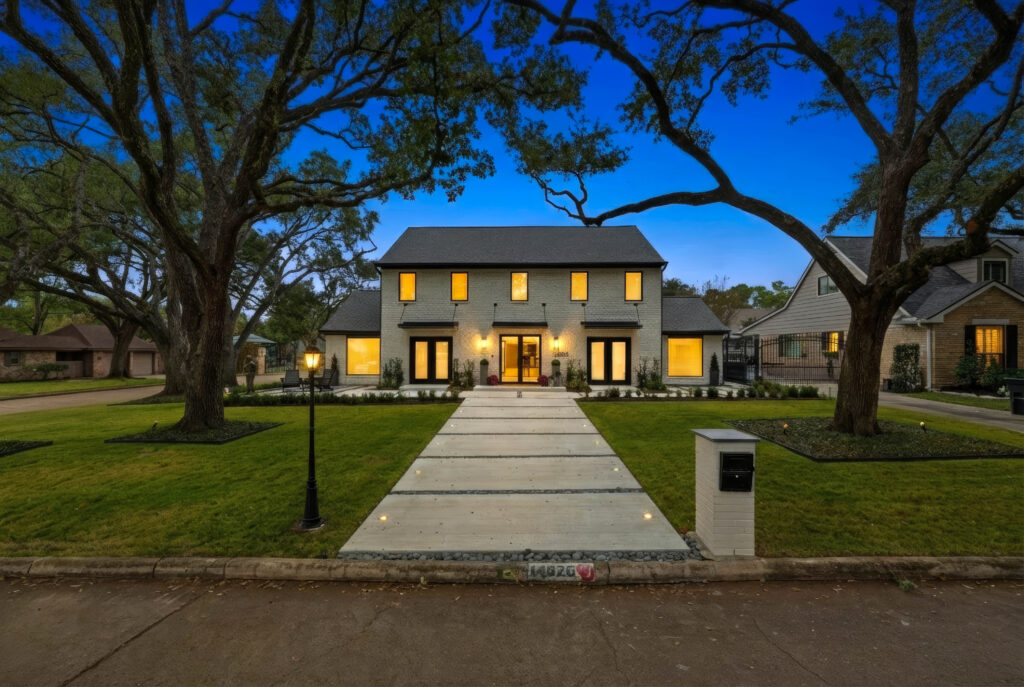
The front yard establishes a visitor’s first impression and sets the tone for your home’s architectural identity. Selecting the right landscape design for your front yard can elevate curb appeal, enhance functionality, and reinforce your property’s overall aesthetic. Homeowners often choose between classic and modern landscape design styles depending on personal taste, home architecture, and long term vision. Understanding the key differences between these approaches helps you make an informed investment that balances beauty, practicality, and resale value.
This guide compares classic and modern front yard landscape design, highlights their defining elements, and provides expert recommendations to help you select the style that suits your home.
Understanding Front Yard Landscape Styles
Front yard landscapes typically follow distinct design characteristics based on architectural eras and horticultural trends. Classic and modern designs each offer unique visual experiences, spatial organization, and plant selections.
Classic Landscape Design
Classic front yard design reflects timeless aesthetics inspired by traditional European and colonial garden styles. This approach focuses on symmetry, soft edges, and lush green plantings.
Key Features of Classic Front Yards
- Balanced, symmetrical layout
- Rounded planting beds and curved walkways
- Evergreen shrubs and layered planting
- Manicured hedges and structured borders
- Natural stone accents and traditional lighting
Ideal Homes for Classic Landscaping
- Colonial and Georgian homes
- Tudor and Victorian houses
- Craftsman architecture
- Traditional suburban designs
Classic landscaping emphasizes refined elegance and formal design, creating a stately presence that never appears overly trendy.
Modern Landscape Design
Modern front yard design embraces clean lines, minimalism, and strong architectural forms. Plantings are typically intentional and sparse rather than lush and layered.
Key Features of Modern Front Yards
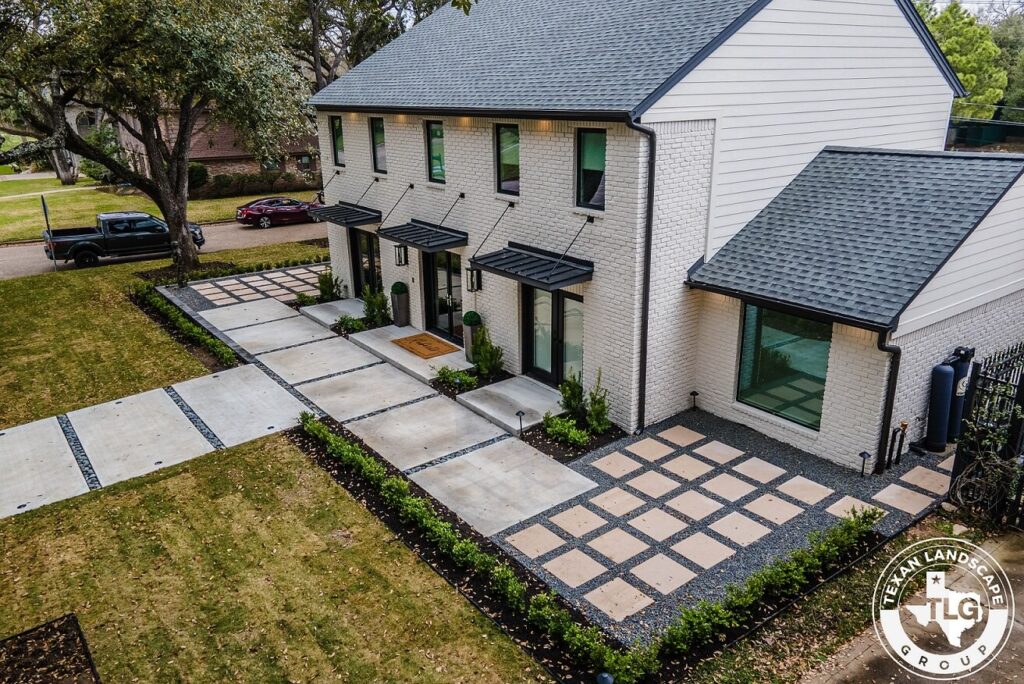
- Geometric patterns and linear walkways
- Minimalist planting with bold foliage
- Hardscaping elements such as concrete, steel, and gravel
- A focus on texture, contrast, and architectural plants
- Neutral color palette with strong structural elements
Ideal Homes for Modern Landscaping
- Contemporary residences
- Mid century modern architecture
- Minimalist or urban properties
- Homes with strong geometric design features
Modern landscaping creates a dramatic, uncluttered atmosphere that highlights the architecture and prioritizes simplicity.
Classic vs Modern: Side by Side Comparison
| Category | Classic Design | Modern Design |
| Layout | Symmetrical and structured | Asymmetrical or angular |
| Planting Style | Lush, layered, evergreen focused | Minimal, sculptural, often drought tolerant |
| Materials | Brick, natural stone, wrought iron | Concrete, metal, gravel, composite |
| Lighting | Warm, ornate fixtures | Sleek, understated, soft wash lighting |
| Visual Tone | Romantic, timeless, inviting | Bold, sophisticated, minimalist |
Also Read: Pergolas vs Gazebos: What’s the Difference and Which Should You Choose?
Plant Selection: Classic vs Modern Front Yards
Plants for Classic Yard Designs
Classic landscapes often feature layered plant beds that offer year round structure and curb appeal.
Common Classic Plant Choices
- Boxwood hedges
- Hydrangeas
- Roses
- Dogwood or magnolia trees
- Lavender and perennials
- Lush groundcover like pachysandra
These plants create softness and luxury, ideal for traditional settings.
Plants for Modern Yard Designs
Modern landscapes prioritize bold shapes, clean textures, and drought tolerant species.
Common Modern Plant Choices
- Ornamental grasses
- Agave, yucca, or succulents
- Japanese maple
- Bamboo (non invasive varieties)
- Boxwood cubes or architectural shrubs
- Concrete or gravel planters with sculptural foliage
Modern plantings complement architectural features rather than dominate the space.
Hardscape and Materials
Classic Hardscape Materials
- Natural stone pathways
- Brick edging and driveways
- Picket or wrought iron fencing
- Classic fountain or urn planters
Modern Hardscape Materials
- Smooth concrete pavers or slabs
- Steel or sleek stone borders
- Horizontal slat fencing
- Geometric water features or minimalist fire elements
Material selection plays a crucial role in defining the design language of the front yard.
Lighting Considerations
Both styles benefit from professionally installed landscape lighting to increase curb appeal, visibility, and security.
Classic Lighting
- Lantern style fixtures
- Post lights along walkways
- Warm white tone (2700K to 3000K)
Modern Lighting
- Recessed ground lights
- Slim linear fixtures
- Subtle uplighting for architectural plants
Low voltage LED lighting provides energy efficiency and durability. The Association of Outdoor Lighting Professionals notes that proper lighting design can significantly increase usability and perceived home value.
Environmental and Maintenance Considerations
Classic Landscapes
- Typically require more maintenance
- Regular pruning, watering, and fertilizing
- Higher plant density may increase irrigation needs
Modern Landscapes
- Often lower maintenance, especially drought tolerant designs
- Simplified planting beds reduce upkeep
- Gravel or hardscape areas require seasonal cleaning
Selecting the right style can influence long term maintenance expectations and resource use.
Choosing the Right Style for Your Home
Select a Classic Front Yard Design If You Prefer:
- Timeless, traditional aesthetics
- A lush, garden inspired space
- A warm and welcoming entrance
- Layered and detailed landscaping
Select a Modern Front Yard Design If You Prefer:
- Sleek, minimalist aesthetics
- Architectural emphasis and clean geometry
- Reduced plant density and lower maintenance
- Bold, contemporary curb appeal
Hybrid Approaches
Some homeowners blend elements from both styles. For example, a modern home can include a few traditional plants for softness, while a classic home might incorporate linear walkways to refresh its look. Professional designers often combine styles thoughtfully to avoid design conflict.
Professional Design Tips
- Match landscaping style to architectural style for cohesive appeal
- Prioritize proportion and scale when selecting plants and features
- Incorporate year round interest through evergreens or structural plants
- Avoid overcrowding; allow plants space to mature
- Invest in professional lighting to highlight focal points
- Consider climate, soil, and irrigation needs when selecting plants
The American Society of Landscape Architects advises that thoughtful front yard design can improve property value and long term enjoyment by creating a visually balanced and practical entry landscape.
Shape a Front Yard That Truly Reflects Your Style
Classic and modern landscape designs both bring distinct advantages and charm to a front yard. Classic layouts offer lush greenery and timeless sophistication, while modern designs introduce clean lines, structured plantings, and a contemporary feel. Choosing the right aesthetic depends on your home’s style, your maintenance preferences, and the atmosphere you want to create.
Ready for a yard you’re proud to come home to? Connect with Texan Landscape Group today!