
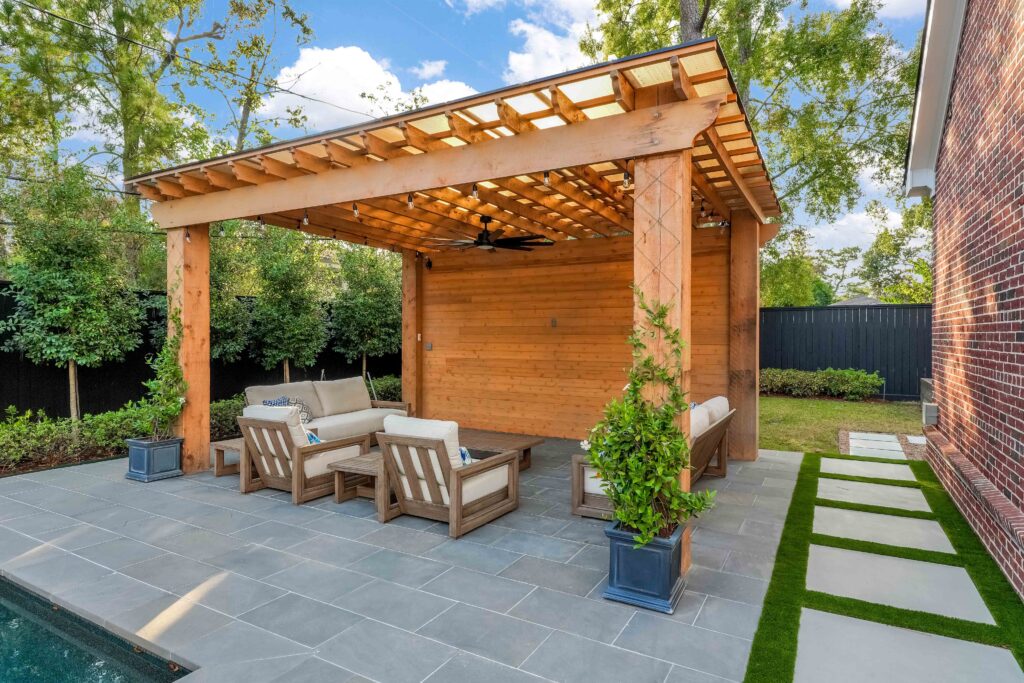
Outdoor living spaces have become a priority for modern homeowners who want comfort, beauty, and functionality beyond the walls of their home. One structure that consistently delivers on all three is the pergola. Understanding what is the function of a pergola helps homeowners see why it is one of the most versatile and valuable additions to any landscape.
From providing partial shade to defining outdoor rooms, pergolas serve both practical and aesthetic purposes that enhance daily living and long-term property value.
What Is a Pergola?
A pergola is an outdoor structure made up of vertical posts that support an open or slatted roof system. Unlike fully enclosed structures, pergolas are designed to create filtered light rather than complete shade. They can be freestanding in a yard or attached to a home, patio, or deck.
Pergolas are commonly built from materials such as wood, aluminum, vinyl, or composite, allowing homeowners to match their architectural style and maintenance preferences.
What Is the Function of a Pergola?
The function of a pergola extends well beyond decoration. It plays multiple roles in landscape design and outdoor usability.
Providing Shade and Sun Control
One of the primary functions of a pergola is to manage sunlight. The open roof design allows natural light to pass through while reducing direct sun exposure.
Key benefits include:
- Creating a cooler outdoor area during peak sunlight hours
- Reducing glare without blocking airflow
- Allowing seasonal sun penetration when the sun angle changes
According to the U.S. Department of Energy, shade structures can reduce surrounding surface temperatures by up to 25 degrees Fahrenheit, making outdoor spaces significantly more comfortable in warm climates.
Defining Outdoor Living Spaces
Pergolas act as visual anchors in landscape design. They help define specific areas such as dining zones, lounge areas, or walkways without fully enclosing the space.
This function is especially valuable for:
- Large backyards that need structure and flow
- Open patios that lack visual boundaries
- Creating outdoor rooms that feel intentional and organized
Landscape architects often use pergolas to guide movement and establish focal points within a yard.
Enhancing Aesthetic Appeal
Another essential function of a pergola is its visual impact. Pergolas add height, dimension, and architectural interest to outdoor spaces.
Design advantages include:
- Framing views or garden features
- Complementing home architecture
- Adding symmetry and balance to landscapes
- Creating a polished, high-end appearance
According to the National Association of Realtors, well-designed outdoor features can increase perceived property value and buyer appeal, especially when they extend usable living space.
Supporting Plants and Greenery
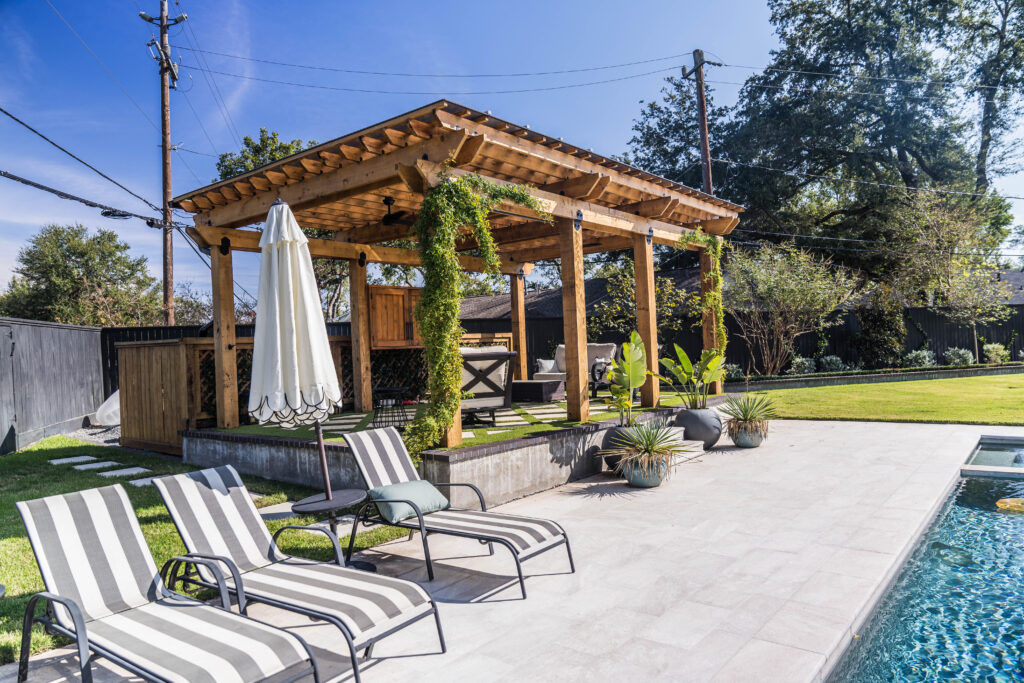
Pergolas are ideal structures for climbing plants and vines, which enhances both beauty and function.
Common plant options include:
- Wisteria
- Climbing roses
- Grapevines
- Jasmine
- Ivy varieties
Living shade created by plants provides additional cooling and creates a natural, inviting atmosphere. Research from the Environmental Protection Agency shows that vegetation can help reduce ambient air temperatures and improve overall outdoor comfort.
Creating Comfortable Outdoor Gathering Areas
Pergolas make outdoor spaces more functional for everyday use and entertaining. By offering partial shelter, they create a comfortable environment for social activities.
Pergolas are commonly used for:
- Outdoor dining areas
- Seating and conversation zones
- Poolside lounges
- Fire pit or outdoor kitchen coverage
With optional additions like retractable canopies, curtains, or lighting, pergolas become adaptable spaces usable from day to night.
Why Homeowners Love Pergolas
Homeowners consistently choose pergolas because they offer a balance of function, flexibility, and visual appeal.
Increased Outdoor Usability
Pergolas extend the time homeowners can comfortably spend outdoors. By reducing direct sun exposure and creating defined spaces, they make outdoor patios and yards usable throughout more of the day and across seasons.
This added functionality often leads to:
- More family gatherings outdoors
- Increased entertaining opportunities
- Better use of existing landscape features
Customization and Design Flexibility
Pergolas can be tailored to nearly any design preference.
Customization options include:
- Material selection such as cedar, aluminum, or vinyl
- Roof styles including flat, arched, or louvered
- Integrated lighting, fans, or heaters
- Privacy panels or decorative screens
This flexibility allows homeowners to align the pergola with both lifestyle needs and long-term maintenance expectations.
Low Structural Impact Compared to Enclosures
Unlike sunrooms or enclosed patios, pergolas often require fewer permits and structural modifications. This makes them a practical choice for homeowners who want impact without major construction.
In many regions, pergolas fall under accessory structure guidelines, which simplifies approval and installation when compared to enclosed builds.
Long-Term Value and Durability
When professionally installed, pergolas are built to last. Aluminum and composite pergolas can last 25 to 40 years, while well-maintained wood pergolas can last 15 to 25 years depending on climate.
This durability contributes to long-term value and makes pergolas a smart investment for homeowners planning to stay in their homes or improve resale appeal.
Expert Tips for Maximizing Pergola Function
Experienced landscaping and hardscaping professionals recommend the following best practices:
- Position pergolas based on sun path and wind exposure
- Choose materials suited to local climate conditions
- Anchor posts properly with concrete footings
- Consider future upgrades like shade panels or lighting
- Match scale and proportion to surrounding structures
Proper placement and installation significantly affect how well a pergola performs over time.
Read also: Simple Cedar Pergola vs Aluminum Pergola: Which Lasts Long in Your Climate?
Transform Your Yard With the Purpose and Style of a Pergola
Pergolas are designed to provide shade while defining outdoor living areas. They enhance visual appeal and create inviting spaces for gatherings and leisure. By supporting greenery and design elements, pergolas add character to any landscape. Homeowners choose pergolas to make better use of underutilized outdoor areas. The right design balances openness, comfort, and architectural interest. A professionally installed pergola offers long-lasting benefits and increased property value.
Expert guidance ensures your pergola is built to match your climate and lifestyle. Professional installation protects your investment for years to come. Contact Texan Landscape Group today for custom pergola design and installation.